hawa in your Account — in Start.
hawa Two-Factor Authentication - DANA, e-wallet & mobile banking Deposit Casino
Accessing hawa on mobile requires navigating to our site in your browser, logging in, and confirming your identity—the last step often includes two-factor authentication (2FA), a second security layer that protects your account during deposits via local payment, online payment, e-wallet, mobile banking, local payment, online payment, or bank virtual accounts. Two-factor authentication on hawa uses a code sent to your phone or generated by an authenticator app, ensuring that only you can access your account and approve withdrawals.
Open an account
Two-Factor Authentication
- Platform
- Category
- Live Table / Card
- RTP
- medium
Two-factor authentication is optional but recommended on hawa. If you enable it, every login and every withdrawal request requires a second verification step. This prevents unauthorised access even if someone learns your password. For players in Jakarta, Surabaya, Bandung, Medan, Semarang, and Yogyakarta managing multiple payment methods on hawa, 2FA adds peace of mind.
Two-factor authentication on hawa: How it protects your account
Two-factor authentication (often called 2FA) is a security feature that requires two separate pieces of information to log in or approve sensitive actions on hawa. The first is your password. The second is a unique code that only you can generate or receive. This code is temporary—it expires within a few minutes—and changes every time you need it. Without both pieces, no one can access your account, even if they have your password.
On hawa, two-factor authentication works in two main ways: SMS codes sent to your phone, or codes generated by an authenticator app (like Google Authenticator or Authy). SMS codes arrive as text messages; you enter them on hawa within the time limit. Authenticator apps generate codes locally on your phone without needing an internet connection. Both methods are secure. SMS is simpler for beginners; authenticator apps are slightly more resistant to certain types of attacks.
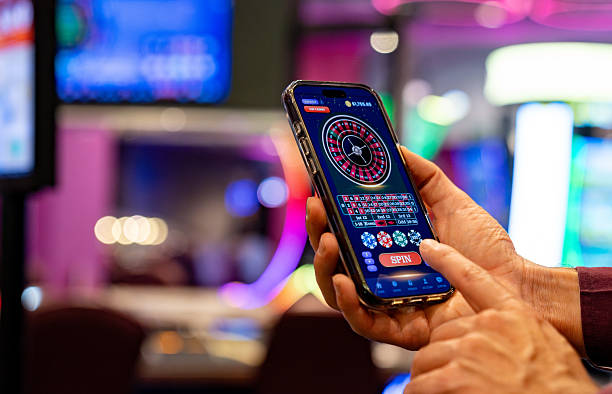
Two-factor authentication on hawa is not required, but we recommend enabling it if you manage sensitive transactions like deposits via BCA, e-wallet, mobile banking, local payment virtual accounts or e-wallet transfers.
When you enable two-factor authentication on hawa, you choose when it applies. Some players use it only for withdrawals (so every cash-out requires a second code). Others use it for logins too (so every session starts with a code). You control this balance between security and convenience.
Recovery codes keep you safe if you lose your phone
When you set up 2FA on hawa, we give you backup codes. If you lose access to your phone, these codes let you disable 2FA and regain access. Store them securely offline.
Setting up and using two-factor authentication on hawa
Enable two-factor authentication on hawa
Enabling two-factor authentication on hawa takes a few minutes. Log in to your hawa account, navigate to Account Settings or Security, and find the Two-Factor Authentication section. You'll see two options: SMS or Authenticator App. Choose one (you can switch later if needed).
If you choose SMS, hawa asks for your phone number. We verify it by sending a test code to your phone. You enter the code on hawa to confirm the number is correct. Once verified, SMS codes are enabled. Whenever you log in or request a withdrawal, hawa sends a code to that number.
If you choose an authenticator app, hawa displays a QR code. You open an authenticator app on your phone (Google Authenticator, Microsoft Authenticator, Authy, or similar), scan the QR code, and the app automatically links to your hawa account. The app then generates new codes every 30 seconds. When hawa asks for a 2FA code, you open the app and read the current code.
-
1
Log into your hawa accountStep 1
Use your email and password to access hawa. Verify any existing 2FA if you already have it enabled.
-
2
Go to Account SettingsStep 2
Find the Security or Two-Factor Authentication section in your account menu.
-
3
Choose SMS or Authenticator AppStep 3
Select your preferred 2FA method. SMS sends codes by text; an app generates them locally.
-
4
Verify your methodStep 4
hawa sends a test code. Enter it to confirm your phone number or app is working.
-
5
Save recovery codesStep 5
hawa provides backup codes. Write them down and store them safely—they let you regain access if you lose your phone.
Two-factor authentication during deposits and withdrawals
Once you enable two-factor authentication on hawa, the system may ask for a 2FA code at key moments. If you deposit via DANA, e-wallet, mobile banking, local payment, online payment, or e-wallet, 2FA typically does not block the payment (your e-wallet or bank confirms it instead). However, if you request a withdrawal, hawa may ask for a 2FA code to approve it. This extra step ensures that only you can move money out of your account.

When hawa asks for a 2FA code, you have a limited time to enter it—usually a few minutes. If you miss the window, you'll need to request a new code. For SMS codes, just wait for the next text. For authenticator apps, the code refreshes automatically every 30 seconds. If you enter an incorrect code three times, hawa locks the request for security; you'll need to start over.
- SMS code
- A six-digit number sent to your phone via text message. Valid for a few minutes and changes each time hawa requests one.
- Authenticator app
- A phone app (Google Authenticator, Authy, etc.) that generates six-digit codes locally. Codes change every 30 seconds automatically.
- Recovery code
- A backup code hawa provides when you enable 2FA. Use it if you lose access to your phone number or authenticator app.
- Time-based one-time password (TOTP)
- The technical term for codes generated by authenticator apps. They're tied to the current time and valid for a short window.
Disabling or changing two-factor authentication
If you decide to disable two-factor authentication on hawa, you can do so in Account Settings. Hawa may ask for a 2FA code to confirm you're the account owner. Once disabled, future logins and withdrawals won't require a code. You can re-enable it anytime using the same setup process.
If you switch phones or need to change your 2FA method, log into hawa, disable the old method, and set up a new one. If you can't access your old phone number or app, use one of your recovery codes to regain access, then disable and update your 2FA.
Tips and best practices for two-factor authentication on hawa
Two-factor authentication on hawa is a trade-off between security and speed. If you enable it, every login or withdrawal takes an extra 30 seconds. If you disable it, your account is faster to access but relies only on your password. Most players find a middle ground: disable 2FA for logins (since those happen daily) but enable it for withdrawals (since those involve moving money).
If you use SMS for 2FA on hawa, keep your phone number current. If you change numbers without updating hawa, you won't receive codes and won't be able to withdraw. Update your phone number in Account Settings before you switch phones.
If you use an authenticator app on hawa, never share the QR code or the long key it generates. These are like passwords—they let someone else generate the same codes. If you suspect your app has been compromised, disable it on hawa and set up a new one immediately.
Save your recovery codes in a secure location—write them on paper and store in a safe place, or save them in a password manager. Do not store them in plain email or text messages. These codes are your backup if you lose phone access, so treat them as carefully as you treat your password.
If you forget your password and have two-factor authentication enabled, you won't be able to log in—you'll need our support team to help. During holidays like Idul Fitri, Idul Adha, or Imlek, support response times may be slower. Having recovery codes lets you disable 2FA and regain access faster.
Our services are available only where local law permits. Users are responsible for verifying that access and use comply with their own jurisdiction's law. Two-factor authentication on hawa is one security layer. You should also use a strong, unique password and avoid public Wi-Fi when accessing your account with sensitive payment details like BCA, e-wallet, mobile banking, or local payment virtual-account information.